
Mouthguards – Defend your Smile
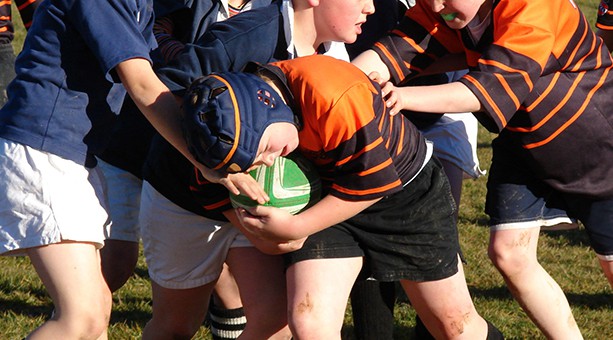
School sports are kicking off so it is time to ensure that your child’s smile is protected with a mouthguard. Sporting accidents are one of the most common causes of dental injury. Every year thousands of people, including children, are treated for dental injuries that could have been avoided or minimised by wearing a protective, custom-fitted mouthguard. Unfortunately only 36% of children aged between 5 and 17 wear a mouthguard during sport/games.
Why do you need a mouthguard?
Damaged or knocked out teeth, broken jaws and cut lips can be sustained when playing sport. Wearing a custom-fitted…
Tooth Erosion: Are you washing away your teeth?

These days we are more aware of what we eat and drink and what we feed our children. We are more conscious about eating healthy, natural and nutritious foods and we have cut down on sugary soft drinks and replaced them with sugar free or “diet” drinks and healthy fruit juices and drinks. However, some of the healthiest foods for the body have a low pH i.e. are acidic.
Tooth erosion is now the most common chronic disease of children’s teeth ranging from 5 to 17 year olds, but it can affect any age group.
A recent study of Australian children showed that 75% of children had erosion of at leas…
I’m Afraid Of The Dentist – What Can I Do?

At Medland Dental one of our main goals is to make our patients feel more at ease and comfortable during dental treatment. From your first contact, it’s obvious that Medland Dental is not your average dental practice. When you walk through our front door it is our goal to make you feel as relaxed and comfortable as possible. All of our staff will focus on your comfort and respect your feelings and concerns during your dental appointment. We look forward to caring for you with genuine kindness, empat…
Focus on: Are Dental Cavities Contagious?

Did you know that dental disease is contagious? Just like the germs that cause a cold or flu can be passed from person to person, so can the germs that cause decay! However, dental decay is even more common than a cold or flu making dental decay is the most common infectious disease in the world.
Most of us already know that dental decay is caused by the bacteria in our mouths. Not all bacteria in our mouth can cause decay, and it is necessary to have specific types of bacteria to cause dental decay.
How do we get this bacteria?
Babies are not born with this bacteria in their mouth, it fact…
Ensure you only create happy memories on your holidays

Over the years we have seen many people return from overseas after having had a dental “holiday” and we have helped them through the associated problems that have unfortunately occurred with their treatment.
Recently there was a lot of media attention regarding the introduction by a major Australian health fund of dental and medical tourism packages for Aussies to have their healthcare undertaken overseas, and it is not uncommon to open the weekend papers and see an advertisement. It is a growing industry with people attracted to the idea of having a ‘free’ holiday whilst having their den…
Don’t lose your health fund benefits for 2015

The end of the year is quickly approaching. This is the time of year when most health funds reset their annual benefits. Most health funds do not roll over the benefits that are left unused as at 31 December, so the portion of your benefits not used by 31 December one year is lost on 1 January the following year.
These are benefits for which you have already paid and are entitled.
If you have recently discussed treatment with your dentist and would like to utilise your health fund benefits for 2014, please call…
Focus On: The Jaw Joint – Clicking, Locking and Pain
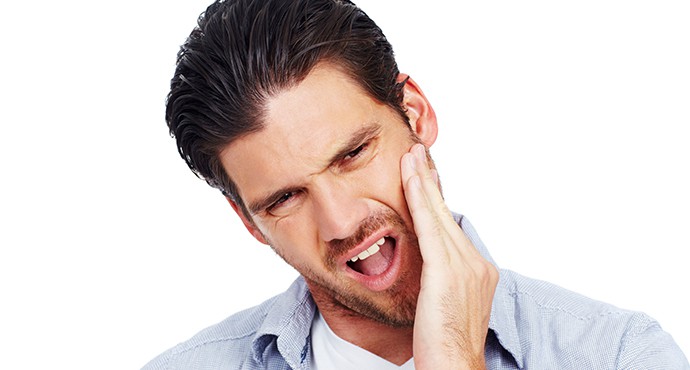
The jaw joint (as known as the temporomandibular joint or TMJ) is a very hard working part of our body. It is involved with all aspects of our life – talking, eating, breathing, swallowing and laughing (not to mention grinding, clenching, fingernail or pen chewing….) The joint can absorb a surprisingly large amount of force when chewing with the average bite force being around 50-70kgs, and potentially up to 200kg with night time clenching and grinding!
The jaw joint is quite a complicated joint. Like many joints it contains a cushioning cartilage disc. It also contains many supporting …
Does having a baby draw the calcium out of my teeth?

The association between pregnancy and damage to a mother’s teeth is not a new concept. The old wives tale that “You lose a tooth for every baby” still causes Mothers to fret about their oral health – despite the tale being completely false!
Similarly, the old wives tale that teeth become “chalky” during pregnancy due to the baby drawing the calcium out of the teeth, is also completely false! Unlike the calcium in our bones which can be depleted if needed elsewhere in the body, our teeth remain unaffected. If suffici…
Focus on: That Sugar Film

With Easter on our doorstep, maintaining a balanced and nutritious diet often hops out the window along with the Easter bunny!
The Australian Dental Association (ADA) urges all Australians to watch “That Sugar Film”, which aims to raise awareness of the effects of a high sugar diet on a healthy body.
“That Sugar Film” sees Damon Gameau embark on a 60 day experiment to consume the equivalent of 40 teaspoons of sugar each day – the average amount of sugar consumed by Australians daily. However, he must consume foods that have ‘hidden sugars’ – that is sugars found in commonly per…
Focus on: Dental Developmental Defects – “Chalky Teeth”
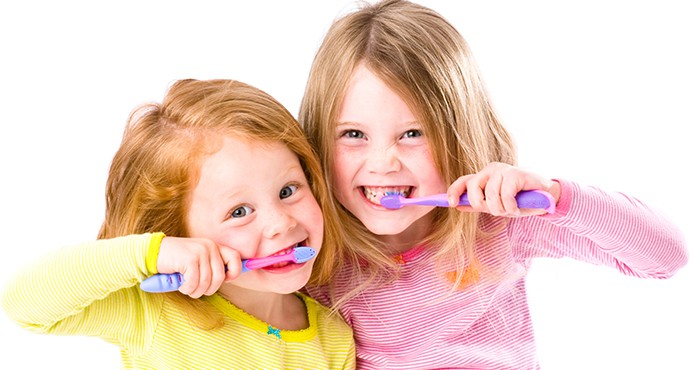
Developmental Dental Defects (D3) is a term used to broadly describe anomalies that occur during the formation of the tooth inside a child’s jaw. Several different types of defects can occur, depending on which process of development is affected. Some D3s affect all of the teeth, whereas others only affect a few, and they vary in severity and prevalence. D3s can be considered a form of congenital disorder or birth defect. They are extremely common with a high prevalence estimated at 15% of the childhood population.
It is a silent epidemic damaging the teeth of 1 in 6 children.
Those diagno…